
78% of the top-grossing films of the last decade list computer-generated imagery in their credits. This shows how CGI and Animation are key in modern storytelling.
We look into how CGI and animation work together and apart. They power films, TV, games, and education. CGI is about making images with computers. Animation is the art of making those images move.
CGI is a part of visual effects, used for building scenes and characters. Animation includes both old-school and new 3D methods used in animated movies and digital projects.
History shows how CGI and animation have grown. Ivan Sutherland’s Sketchpad in 1963 started interactive graphics. Pixar’s Toy Story in 1995 showed a CGI-animated film could be a hit.
Now, we use tools like 3ds Max render farms and cloud GPU services. These help speed up making visual effects and animation.
We write for those interested in tech, students, and teachers. For more info, email us at info@digiverse.studio.
What is CGI and Its Role in Visual Effects?
CGI, or computer-generated imagery, is used to create or enhance images for films, games, and more. It’s a key part of computer graphics, focusing on media and storytelling. CGI and Animation work together to blend digital assets with live-action shots.
Definition and overview: CGI includes static images, motion sequences, and 3D animation. Studios use special software for creating and animating characters and environments. Artists then add lighting and shading before finalizing the images.
History of CGI in film: CGI has a rich history. Early work by Ivan Sutherland and others laid the groundwork. Films like Jurassic Park and Toy Story showcased CGI’s power. James Cameron’s Avatar pushed the boundaries of photorealistic visuals.
Key technologies behind CGI: The CGI process involves several stages, from modeling to compositing. Tools like Blender and Maya are used for these tasks. Render engines like Arnold produce the final images.
We also look at how to speed up CGI work. High-end GPUs and cloud render farms help with this. Studios use a mix of tools for different needs.
| Pipeline Stage | Primary Tools | Typical Output |
|---|---|---|
| Modeling | Maya, 3ds Max, Blender, ZBrush | High-detail meshes for characters and sets |
| Texturing & Shading | Substance Painter, Mari, Blender | Surface maps: albedo, roughness, normal |
| Rigging & Animation | Maya, Blender, MotionBuilder | Control rigs and 3D animation sequences |
| Lighting & Rendering | Arnold, V-Ray, Redshift, Unreal Engine | Final frames after rendering passes |
| Compositing & Delivery | Nuke, After Effects, Fusion | Integrated VFX plates and color-corrected shots |
CGI is used in many fields, from science to advertising. It helps create engaging visuals for storytelling and learning.
Understanding Animation: A Creative Perspective
Animation is a craft that turns static images into motion. It combines art and engineering. Timing, character intent, and technical pipelines shape emotional performance. This section clarifies core definitions, surveys major styles, and traces how techniques evolved from hand-drawn cells to today’s digital workflows.
Definition of Animation
Animation is the process of creating the illusion of movement from a sequence of images. It includes traditional 2D frame-by-frame art, stop-motion physical puppetry, and modern 3D animation. We use tools to define timing, poses, and expression so characters communicate intent and emotion.
Different Styles of Animation
Stylized 3D animation favors readable shapes and expressive acting. Pixar’s Toy Story and Disney’s Frozen are examples. Photoreal 3D animation aims for lifelike detail and often supports visual effects work.
Traditional hand-drawn 2D remains vital for expressive, cartoony acting and line-driven design. Hybrid methods mix digital animation with hand-drawn overlays or digital puppetry. This way, they leverage the strengths of each approach.
Animation studios like Pixar, DreamWorks, and Studio Ghibli apply different styles to serve story and tone. The choice of style guides pipeline decisions, from rig complexity to lighting and rendering budgets.
Historical Evolution of Animation Techniques
Early animation relied on hand-drawn cells and mechanical devices. Walt Disney’s studio advanced character acting and narrative clarity in the 1930s and 1940s. Experimental computer graphics appeared in the 1960s through research labs and university projects.
By the 1980s and 1990s, tools like Autodesk systems and early rendering engines enabled new forms of digital animation. Pixar’s Toy Story marked a milestone for full-length CGI and animation integration in 1995. Motion capture and performance-driven characters—like Gollum and Caesar—shifted expectations for realism and subtlety in acting.
Today, the pipeline blends modeling, sculpting, rigging, keyframe work, and motion capture with advanced texturing and rendering. Digital animation workflows run on Blender, ZBrush, Maya, and industry renderers. The result: animated films that range from stylized family fare to photoreal sequences used in visual effects. This evolution highlights the ongoing interplay between creativity and technical research in CGI and Animation.
| Aspect | Traditional 2D | 3D / CGI | Hybrid |
|---|---|---|---|
| Primary Tools | Pencils, ink, Photoshop | Maya, Blender, ZBrush | Toon Boom, Substance Painter, motion capture |
| Strengths | Expressive lines, fast concept iterations | Depth, consistent lighting, complex camera moves | Best of both: hand feel with 3D space |
| Typical Use Cases | Indie shorts, stylistic features | Blockbuster animated films, VFX creatures | Television, mixed-media features |
| Pipeline Focus | Frame-by-frame timing, inbetweening | Modeling, rigging, keyframe/mocap, rendering | Compositing, retiming, texture painting |
| Studio Culture | Art-led teams, animators with drawing roots | Engineering-driven research within animation studio | Cross-disciplinary crews: artists and technical directors |
| Audience Outcome | High expressiveness and stylistic clarity | Immersive realism or polished stylization | Distinct visual identity with technical polish |
The Distinction Between CGI and Traditional Animation
We explore the difference between computer-generated images and traditional animation. This helps studios choose the best method for their projects. CGI focuses on blending with live action, while traditional animation emphasizes timing and style.
Key Differences Explained
CGI includes all computer-made images, from static to moving. Traditional animation is about creating motion and character frame by frame. Today, artists use CGI software to mimic hand-drawn styles.
What a project aims to do often decides its method. Visual effects aim for realism and seamless blending with live action. Animation focuses on expressive timing and emotion over realism.
Use Cases for Each Medium
Films like Toy Story and Frozen show CGI’s power in storytelling. Game cinematics combine CGI and Animation for cinematic moments.
Features like Jurassic Park and Avatar use CGI for creatures and environments. Advertising and architectural visualization rely on CGI for realistic product and space mockups.
Animation Techniques in CGI
Modern CGI combines techniques for both realism and control. Keyframing allows animators to set precise poses and timing. Inverse and forward kinematics manage joint movements.
Motion capture adds human-like movements. Procedural animation and physics simulations create natural interactions. Digital puppetry and blendshapes speed up the creative process.
Choosing between CGI and traditional animation depends on several factors. These include style, budget, and the need for realism. We help studios make informed decisions based on their goals and resources.
How CGI Enhances Storytelling in Film
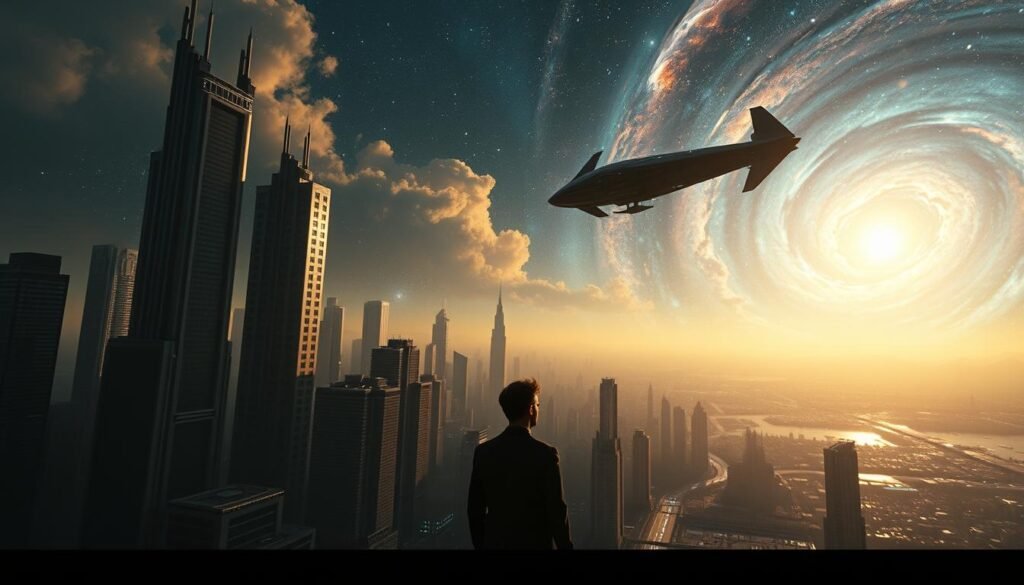
We look into how computer-generated imagery changes the way stories are told in movies. Filmmakers use CGI and Animation to create worlds and characters that can’t be made in real life. This makes the story bigger and lets viewers believe in it more.
Creating Immersive Experiences
Techniques like ray tracing and global illumination make scenes look real. They add details that make things look like they’re really there. This makes the movie feel more real, keeping viewers hooked.
Bridging the Gap Between Reality and Fantasy
Motion capture lets actors’ performances be seen in digital characters. For example, Andy Serkis’s Gollum and Caesar show how real emotions can be kept in digital beings. This makes the digital characters blend seamlessly into live-action scenes.
Examples of CGI in Modern Cinema
Jurassic Park brought dinosaurs to life, adding excitement and danger to the story. Avatar created a whole world, Pandora, that was both beautiful and meaningful. The Matrix showed how slow-motion can make action scenes more intense. Toy Story proved that computer-generated characters can be funny, touching, and engaging in animated films.
Visual effects also help in teaching science and history. They make complex ideas like medicine and space travel easy to understand. These images spark interest and help people learn better.
The Process of Creating CGI Content
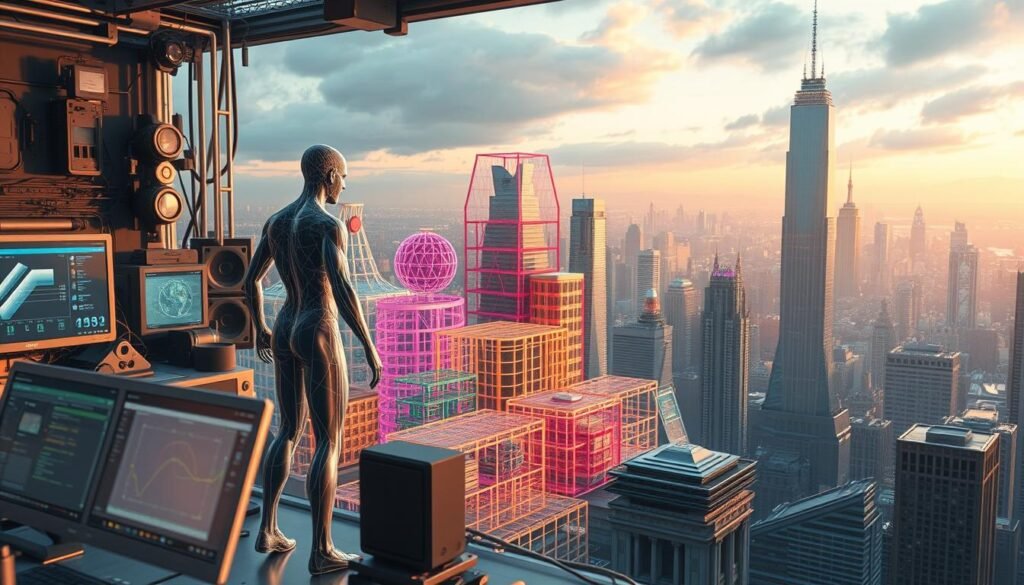
We guide teams from idea to screen, ensuring costs are predictable and surprises are few. Planning starts with concept art and storyboards. These help lock down timing and camera moves.
Matching live-action shots and rigging plans come early to keep things feasible. Scheduling render budgets in pre-production saves time later.
Pre-production in CGI Projects
We divide work into clear tasks: asset lists, model approvals, and animation tests. Concept art guides UV layouts and texturing. Rigging plans set limits for deformation and animator controls.
A stable asset pipeline is key when working with multiple studios. It reduces rework and keeps projects on track.
Tools and Software Used in CGI
Our software choice depends on the shot. Blender, Autodesk Maya, and 3ds Max are staples for modeling and animation. ZBrush excels in high-detail sculpting, while Substance Painter and Mari handle textures.
Houdini is used for procedural effects, and Nuke for final compositing. The right tools impact speed, cost, and image quality.
Rendering and Post-Production Challenges
Rendering photoreal frames is a balancing act between quality and speed. Common challenges include long render times, memory limits, and noise control. Teams adjust sample counts, denoisers, and lighting to stay within budget.
Render infrastructure varies from local RTX workstations to cloud services and dedicated render farm rigs. A 3ds Max Render Farm or similar can scale up during busy times. Pricing models, like hourly or reserved, affect project costs.
Post-production blends compositing, color grading, motion tracking, and rotoscoping. It integrates CG into live-action plates. Removing practical rigging, matching grain, and ensuring consistent lighting require teamwork.
Workflow automation and AI tools help with repetitive tasks. They’re essential for meeting tight deadlines.
Animation’s Impact on Video Games
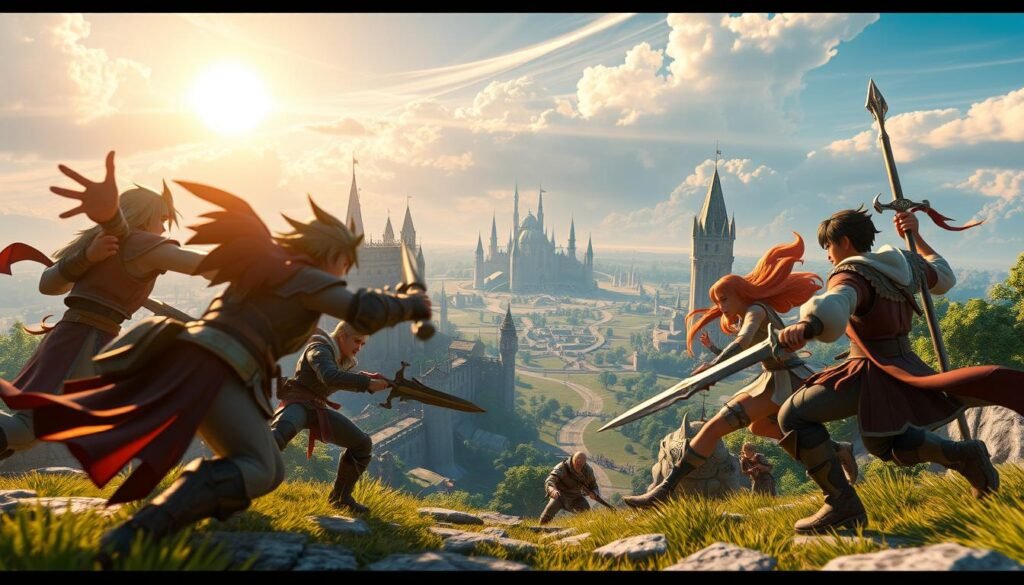
We look at how animation affects games. It shapes how players feel and interact with the game. It makes characters move, enemies react, and the camera shift smoothly.
The Role of Animation in Gameplay
Animation is key in how players feel about the game. It makes controls feel right and natural. Systems like state machines and physics-driven behaviors keep the game feeling real.
Studios must balance how good the game looks and how fast it runs. They use special techniques to make games look great without slowing them down.
Blend of CGI and Animation in Gaming
Games often mix CGI for cutscenes with 3D animation for gameplay. Motion capture is used for both, adding realism to scenes and gameplay.
Tools like Autodesk Maya and 3ds Max help create assets. Motion capture systems capture performances. Engines like Unreal Engine and Unity handle the animation and shaders.
Iconic Video Games Featuring Animation
The Last of Us shows off cinematic acting. Uncharted mixes in-game animation with VFX for exciting scenes. Many games use stylized 3D animation, showing the variety in animation.
Creating games involves art, animation, programming, and testing. Animation is a big part of this, making sure the game feels right. Even training games and educational experiences use animation to teach.
The Future of CGI and Animation in Entertainment
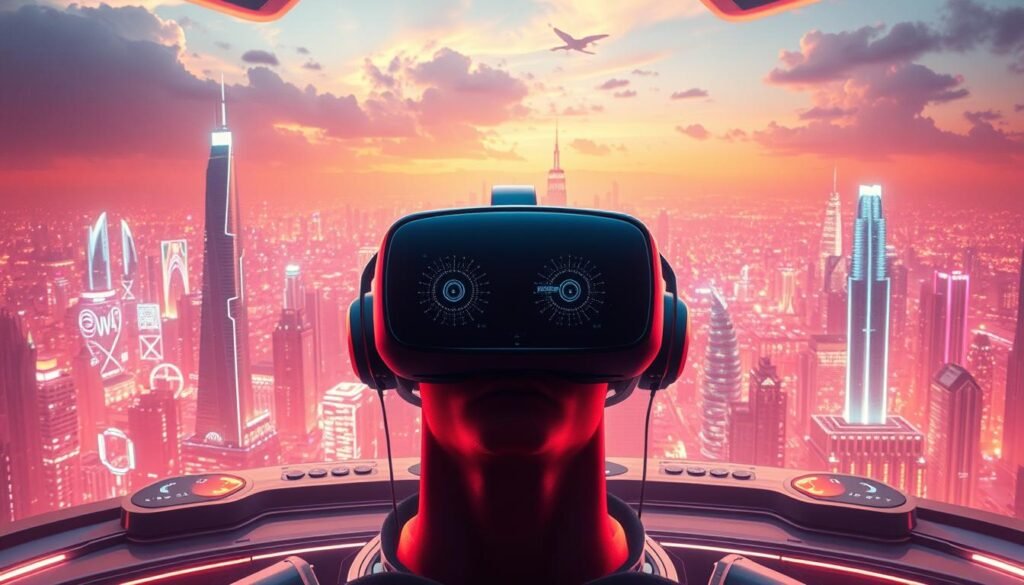
Storytelling is changing fast. New tech like AI and real-time rendering is making production quicker. Tools from Epic Games’ Unreal Engine to Autodesk Maya help teams work faster and test ideas on set.
AI and Machine Learning in Animation
Machine learning automates tasks like making assets and cleaning up renders. This makes it easier for smaller teams to create big scenes. AI helps keep the artist’s vision while making more work possible.
Virtual Reality and Augmented Reality Trends
Immersive formats need fast pipelines that mix animation and real-time rendering. Virtual reality requires new animation ways to feel real. Augmented reality brings stories into our world, changing how we learn and market.
Predictions for the Next Decade
We’ll see VFX, CGI, and animation blend more. Cloud services will make top-notch tools available to all. AI will change what skills are needed, like rigging and shading.
Hardware will get better, making visuals faster and more accessible. Real-time rendering will be key for planning and making movies. This will blur the lines between different stages of production.
We must think about ethics too. Issues like authorship and deepfakes need attention. We need to teach people how to use these new tools wisely. The mix of CGI, Animation, virtual reality, augmented reality, and AI will change how we teach and entertain.
Careers in CGI and Animation
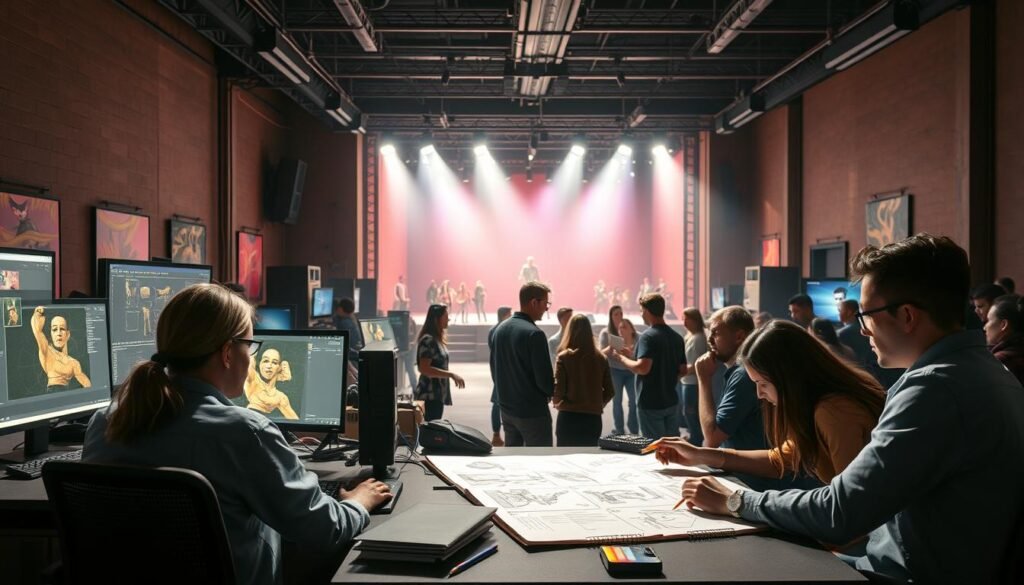
We look at careers that mix creativity with technical skills. The need for CGI and Animation skills is high in film, games, ads, and immersive media. A good demo reel and practical projects can get you a job at an animation studio or VFX house.
Required Skills and Qualifications
Knowing art basics like anatomy, timing, and composition is key. You also need to be good with CGI software like Blender and Autodesk Maya. Skills in 3ds Max, Houdini, Substance Painter, and Nuke are also important.
Learning to script with Python and MEL can speed up your work. Knowing about rendering, shading, and real-time engines like Unreal is a plus for VFX jobs.
Job Opportunities in the Industry
There are many roles, like modeler, texture artist, and animator. You can also work as a lighting/shading artist, FX artist, or compositor. Each job has its own mix of art and tech.
Jobs are available at big studios like Pixar and DreamWorks. You can also find work at game developers, VR/AR companies, and scientific visualization teams.
Networking and Professional Development Resources
Go to SIGGRAPH, join local groups, and use ArtStation and CGSociety. Internships, mentorships, and projects can help you grow and get noticed.
Keep learning by taking courses and entering challenges. Contribute to open-source tools and keep your demo reel up to date. For more info or to collaborate, email info@digiverse.studio.
Conclusion: Appreciating CGI and Animation Together
CGI and animation are closely linked in today’s visual effects. CGI brings digital materials and realism. Animation adds timing, performance, and personality. Together, they create powerful moments in movies, educational content, and games.
These two fields are key because they enhance storytelling and reduce production risks. They make it possible to create stunning visuals in fields like science and advertising. Now, thanks to new technologies, teams can work faster and produce more affordably.
The journey from early computer graphics to today’s AI-assisted pipelines is amazing. We urge everyone to get involved. Learn about rendering, animation, and new technologies. Use tools like Blender and Unreal Engine, and join online forums to grow your skills and connect with others.
If you’re interested in working together, have a professional question, or want to partner for education, reach out to info@digiverse.studio. We’re excited to help make education more imaginative and to advance visual effects together.