
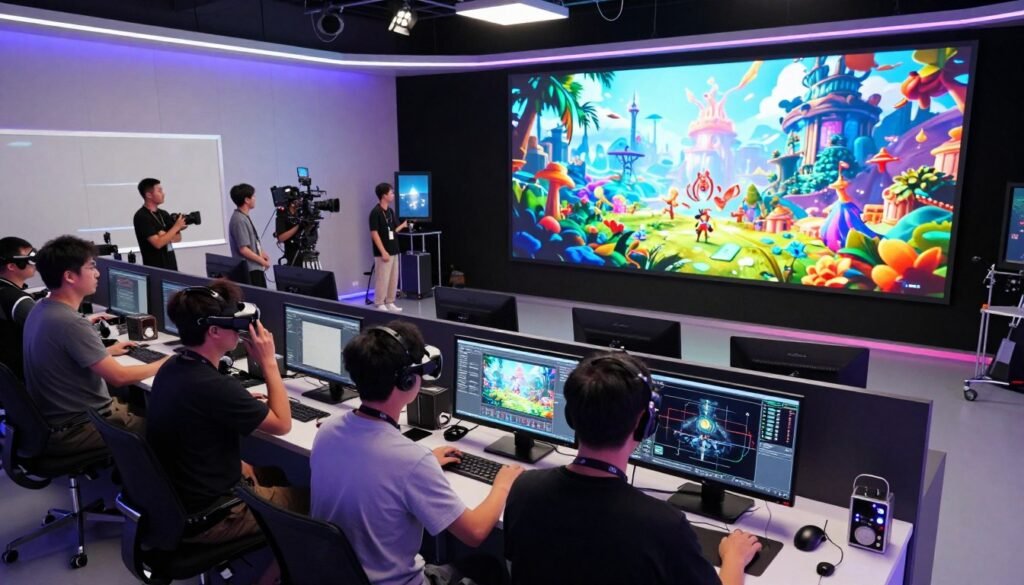
In today’s fast-changing digital world, Real Time VFX leads the way. It connects gaming technology with film production seamlessly. This tech lets filmmakers create stunning visual effects in real time.
These effects make stories come alive and improve how movies are made. Films like “The Mandalorian” show how Real Time VFX changes the game. It makes making movies faster and more exciting.
Using virtual assets also brings new ideas to the table. It sets a high bar for telling stories through pictures. This grabs audiences in a way that’s never been seen before.
Key Takeaways
- Real Time VFX enhances the cinematic workflow.
- Gaming technology is transforming traditional film production.
- Real time rendering allows for dynamic visual effects.
- Integration of virtual assets fosters creative opportunities.
- Innovative films showcase the power of Real Time VFX.
The Evolution of Film Production
Film production has come a long way from its start in the late 19th century. It has seen many changes, turning silent films into colorful, sound-filled movies. Innovations like Technicolor and synchronized sound have changed how stories are told and how we connect with them.
The move from practical effects to digital VFX was a big change. It opened up new ways for filmmakers to create. Now, with Real Time VFX, we’re seeing even more possibilities. This technology combines gaming tech with traditional filmmaking, opening up endless creative options.
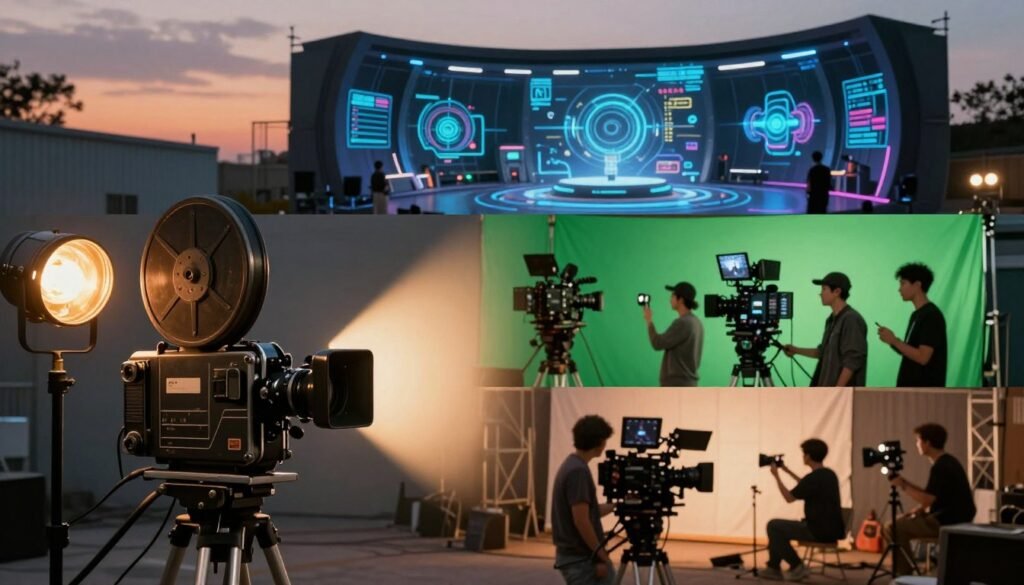
Understanding Real Time VFX
Real Time VFX is a big step forward in visual effects. It uses real time rendering to create effects as you film. This lets filmmakers see and change things right away, making production more creative and efficient.
It’s important to know the difference between Real Time VFX and traditional VFX. This helps us understand the big change in the film world.
What is Real Time Rendering?
Real time rendering makes images fast enough to look like they’re moving. It’s common in games and is now used in movies too. With strong graphics engines, filmmakers can see effects as they film, changing how scenes are made.
Key Differences Between Traditional VFX and Real Time VFX
Traditional VFX and Real Time VFX are very different. Traditional VFX takes a long time to render, leading to slow feedback and lots of editing later. But Real Time VFX lets you see and change things right away.
This makes the filmmaking process more dynamic and flexible. It helps filmmakers deal with problems quickly, improving the whole production.
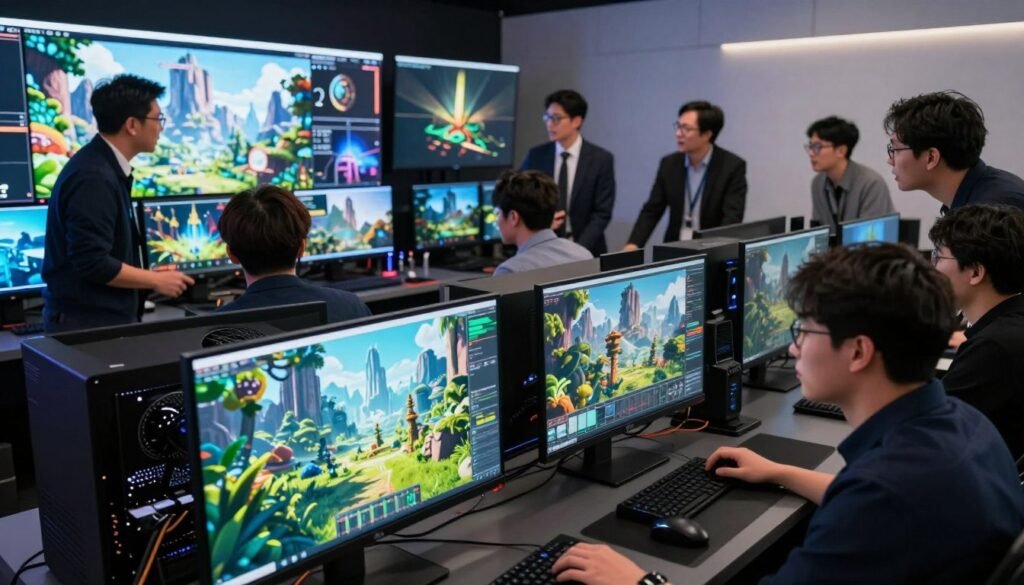
The Role of Unreal Engine in Film Production
Unreal Engine has become a game-changer in film production. It gives filmmakers amazing control and stunning visuals. We’ll see how it makes Real Time VFX a key part of movies today.
Features of Unreal Engine for Filmmakers
Unreal Engine offers many features for filmmakers. These features make filmmaking easier and more creative:
- Photorealistic Rendering: It makes visuals look real, perfect for creating immersive scenes.
- Intuitive Interface: The easy-to-use interface lets filmmakers focus on their art, not tech.
- Robust Asset Management: It helps manage assets well, making production smoother.
- Real-Time Collaboration: It lets teams work together in real time, no matter where they are.
Case Studies of Unreal Engine in Film
Real-world examples show how Unreal Engine boosts film production. Here are some examples:
- The Mandalorian: This show uses Unreal Engine for amazing digital backgrounds that blend with live-action.
- Rogue One: A Star Wars Story: It shows how Unreal Engine can change traditional filmmaking.
- Westworld: The series uses Unreal Engine for real-time environments, breaking new ground in storytelling.
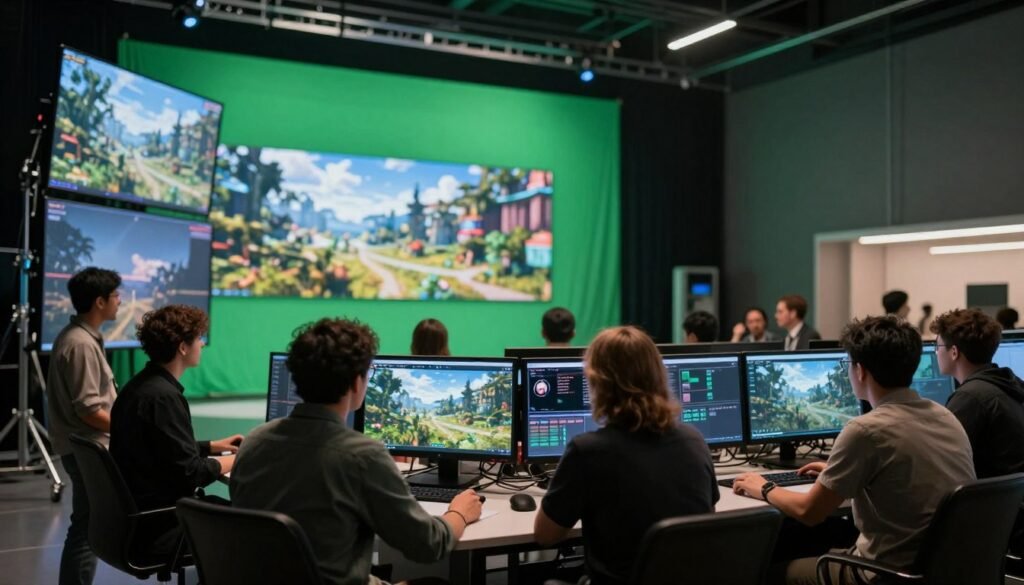
Virtual Assets and Their Importance
In film production, virtual assets are key to better storytelling and visuals. They are digital pieces that add depth to movies. Filmmakers use them to mix digital and real scenes smoothly.
Knowing how to handle virtual assets lets filmmakers explore new ideas. This makes movies more engaging and real.
Creating and Managing Virtual Assets
Making virtual assets involves many tools and methods. Filmmakers use software like Blender and Maya to create 3D models and characters. They also manage these assets to keep them organized and ready for use.
Having a good system for managing assets helps teams work better together. It makes the creative process smoother.
Integrating Virtual Assets into live-action
Adding virtual assets to real scenes is both a challenge and an opportunity. It needs precision, like motion tracking, to match digital and real elements perfectly. Filmmakers must pay close attention to lighting and shadows to make it look real.
When done well, it makes the movie feel more real and engaging. It draws viewers into the story with amazing visuals.
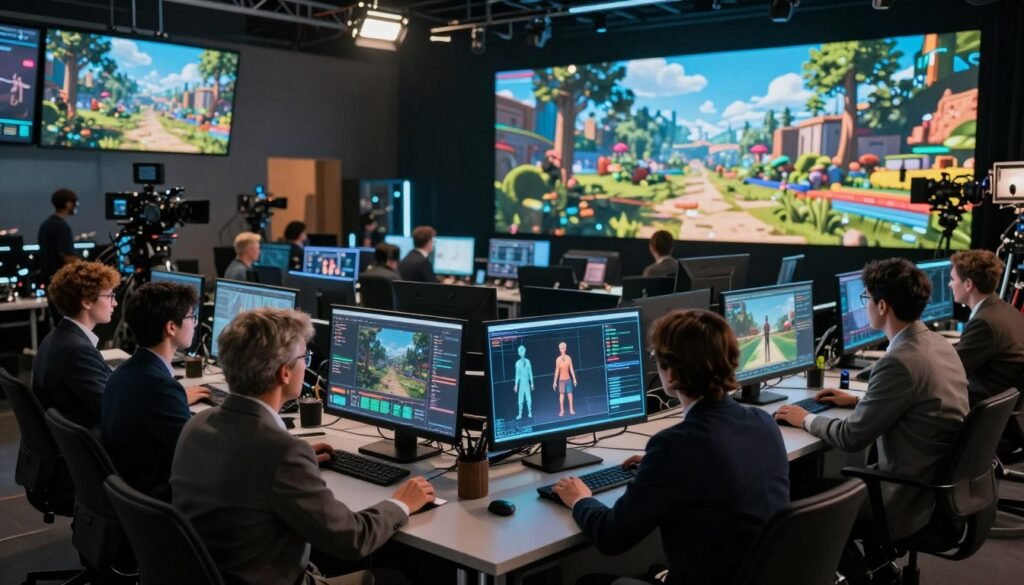
| Aspect | Creating Virtual Assets | Integrating Virtual Assets |
|---|---|---|
| Software Used | Blender, Maya | After Effects, Unreal Engine |
| Focus | Design and Development | Alignment with Live Action |
| Challenges | Asset Optimization | Lighting and Perspective |
| Outcome | Digital Models and Environments | Seamless Visual Integration |
The Benefits of Real Time VFX in Cinematic Workflow
In today’s fast-paced film industry, Real Time VFX is changing the game. It’s not just about making things look better. It’s about making the whole process faster and more creative.
With Real Time VFX, filmmakers can change visual effects right away. This opens up new doors for creativity that were once impossible.
Speeding Up the Production Process
Real Time VFX makes making movies faster. Filmmakers can try out new looks quickly, cutting down on editing time. This means they can make decisions on the spot, saving time and money.
It also lets directors and their team focus more on the story. They don’t get stuck on technical issues as much.
Enhancing Creative Flexibility
Real Time VFX brings a new level of creativity to the table. Artists and techs can try out new things right away. This leads to fresh ideas and exciting moments in movies.
It creates a space where creativity can really shine. This means movies can be more unique and connect with audiences in special ways.
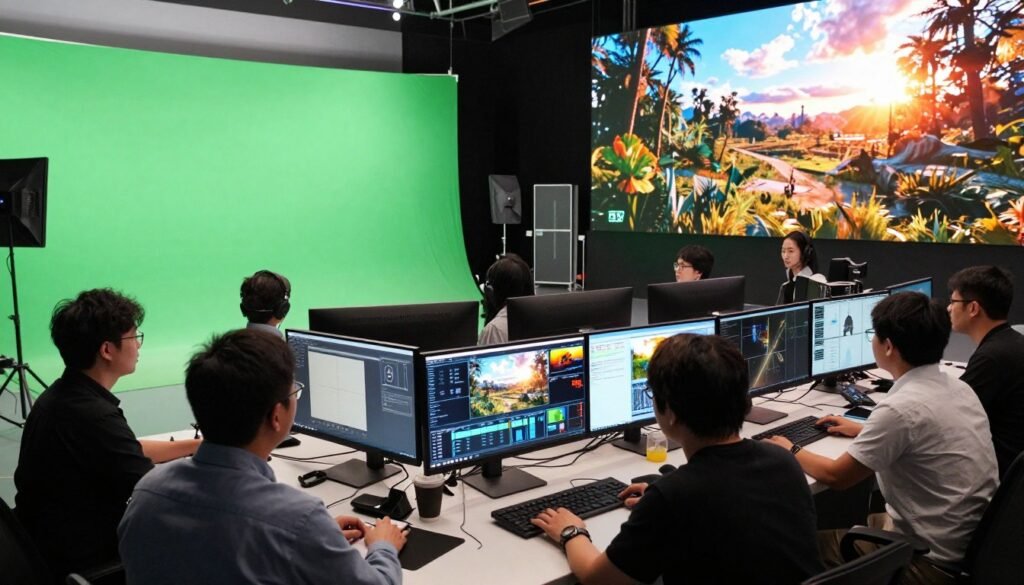
| Aspect | Traditional VFX | Real Time VFX |
|---|---|---|
| Production Speed | Longer, often requiring extensive post-production | Rapid adjustments allowed during filming |
| Cost Efficiency | Higher costs due to reshoots and revisions | Lower costs by reducing the need for extensive edits |
| Creative Opportunities | Limited by technical post-production capabilities | Enhanced flexibility encourages experimentation and innovation |
The Impact of Gaming Technology on Storytelling
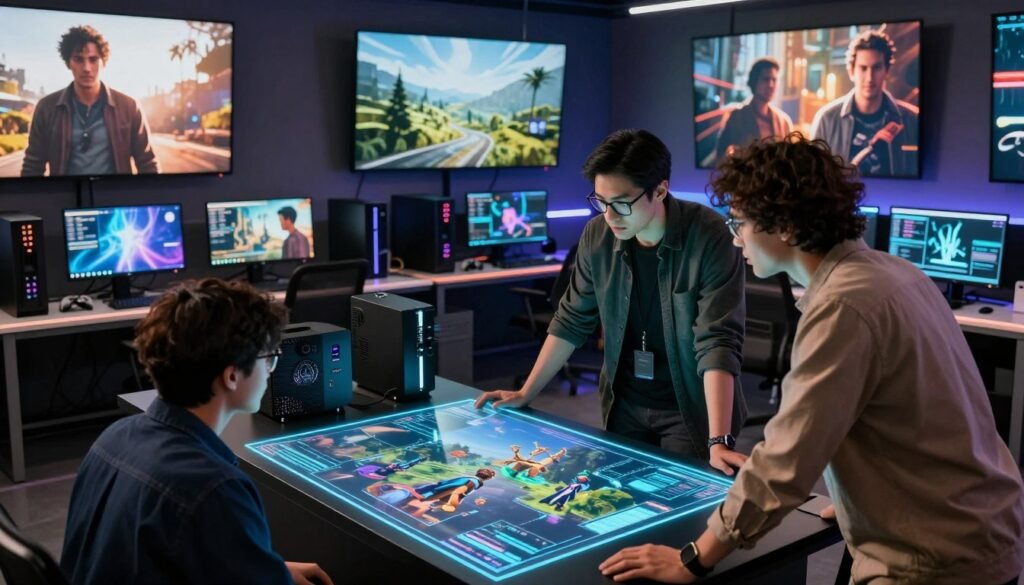
Gaming technology is changing how we tell stories. It makes films more engaging and interactive. This new way of storytelling brings audiences into the action, making movies more than just a show.
Immersive Storytelling Through Real Time Graphics
Real time graphics make movies feel alive. They change with what the viewer chooses. This makes stories more real and emotional.
With gaming tech, movies become interactive. They invite viewers to be part of the story. It’s a new way to watch movies.
Interactive Elements in Film Production
Interactive films are changing the game. Viewers can choose their own path. This makes each movie unique to the viewer.
This new style of film is more fun and memorable. It’s a big change in how we watch movies.
Challenges of Implementing Real Time VFX
Real Time VFX brings new possibilities to filmmakers. But, it also comes with big challenges. Knowing these obstacles is key to making it work in your production.
Looking at technical limits and the need for training helps us tackle these issues. This way, we can move forward with confidence.
Technical Limitations
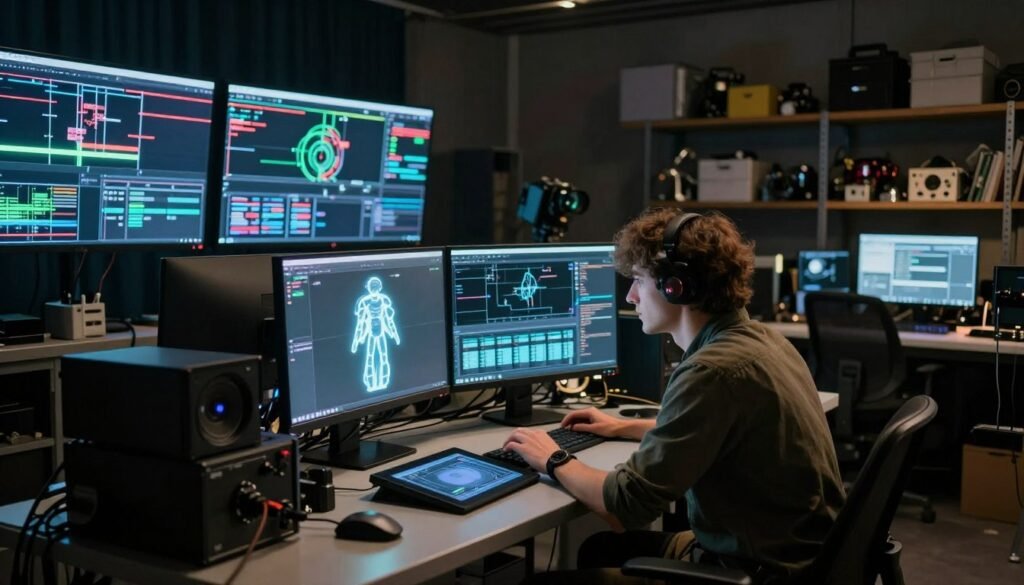
Real Time VFX needs top-notch hardware and software. Small teams often struggle with their current gear. They face a big gap in resources like powerful GPUs and fast memory.
Keeping up with tech advancements is hard. It affects how well and fast you can work on your projects.
Staff Training and Transitioning
Switching to Real Time VFX requires a lot of training. It’s a big change for teams used to old ways. They need new skills.
Teachers and experts must keep training to help everyone. This ensures everyone knows how to use the new tools well. A team that adapts to these changes will be more creative and productive.
The Future of Film Production with Real Time VFX
Filmmaking is changing fast, thanks to new tech and methods. We’re seeing big changes in how movies are made and seen. Real Time VFX is key, blending old ways with new for better stories.
Trends to Watch in Film Technology
Several trends are changing film tech, raising our hopes and ways of working:
- Enhanced virtual production studios enable smooth mixing of live-action and digital parts.
- The gaming world is teaming up with filmmakers, bringing fresh ideas and methods.
- AI is making visual effects better, opening up new creative paths in film.
The Next Generation of Filmmaking
The new wave of filmmaking is opening up new creative doors. With Real Time VFX, filmmakers can do more than ever before. They can tell deeper stories and draw viewers in, making their work more powerful.
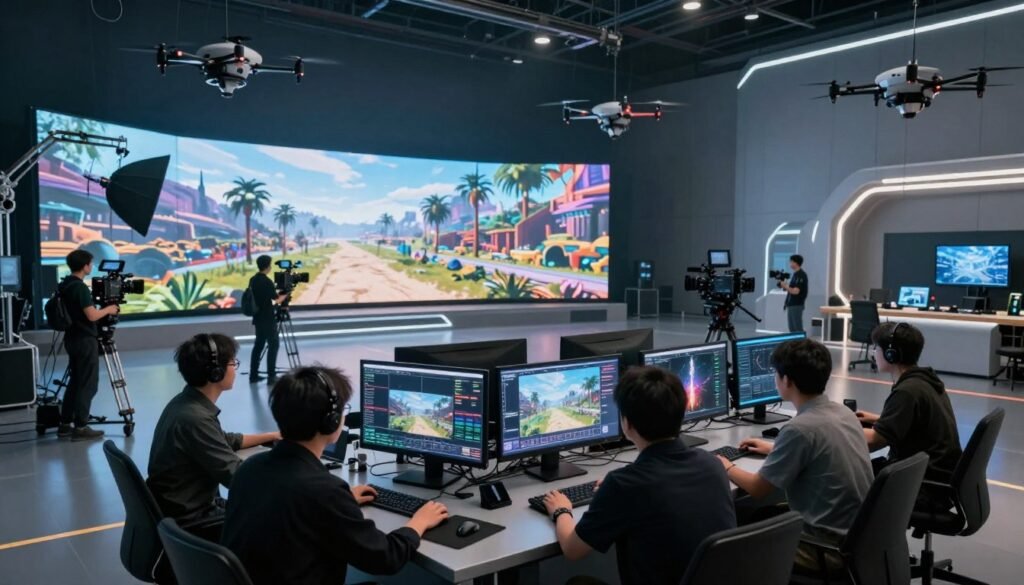
Real Time VFX: Expanding Creative Possibilities
Real Time VFX is where art meets technology. It brings artists and technicians together. This teamwork makes the creative process better and opens up new ideas.
With real-time rendering, filmmakers can try out different visual styles. This lets them explore and create in new ways.
Collaboration Between Artists and Technicians
Artists and technicians working together is key to making great films. They share ideas and improve their work together. This partnership leads to better solutions for filmmaking challenges.
It creates a space where creativity can grow. Everyone involved can contribute to the film’s success.
Custom Solutions for Unique Filmmaking Needs
Every film has its own special needs. Real Time VFX helps filmmakers create solutions that fit their vision. This means they can use creative camera work and detailed effects.
These custom solutions make sure the film stays true to the director’s vision. They also help tell the story in a more engaging way.
Integrating Real Time VFX in Live Broadcasts
Real time VFX in live broadcasts is a big step forward. It makes watching shows more exciting with visuals that change right away. This is great for sports, news, and entertainment, making stories come alive.
With smart integration, shows can be more interactive than ever. Picture a sports game with stats shown live or a news report with a changing background. It’s where tech and creativity meet in real time.
| Application | Benefits of Real Time VFX |
|---|---|
| Sports Broadcasting | Enhanced statistics display, real-time graphics, and immersive experiences. |
| News Coverage | Immediate visual updates, engaging storytelling through graphics, and contextual information display. |
| Entertainment Programming | Dynamic scene transitions and interactive audience participation options. |
Utilizing Virtual Production Techniques
In recent years, the film industry has adopted virtual production techniques. This has led to the creation of advanced virtual production studios. These studios use cutting-edge technology to blend live-action with virtual environments.
This method allows filmmakers to build large sets without physical limits. It’s a game-changer for creating expansive scenes.
The Rise of Virtual Production Studios
The move to virtual production studios is a big change in how we tell stories on screen. Filmmakers can now create immersive worlds for audiences. Actors perform in these virtual spaces in real-time, making their performances more genuine.
This change is transforming how we make movies. Studios can now change backgrounds and lighting easily. This boosts creativity and saves time and money. It also lets filmmakers try new, bold ideas they couldn’t before.
| Feature | Traditional Production | Virtual Production Studios |
|---|---|---|
| Set Design | Physical Sets | Digital Environments |
| Interactivity | Limited | Real-time Interaction |
| Flexibility | Fixed | Dynamic |
| Cost | High Overheads | Reduced Expenses |
| Location | Location-Specific | Boundless |
The rise of virtual production studios is a major shift in filmmaking. As this tech gets better, we expect even more exciting changes in the film world.
Case Studies of Successful Real Time VFX Films
Real Time VFX has changed how we tell stories in movies. Many films have shown how it works well. For example, “The Mandalorian” uses it to make scenes feel real. This lets directors make stories more easily and with better visuals.
Another great example is “Avatar: The Way of Water.” It shows how amazing visuals can make a story even better. Real Time VFX makes movies more engaging and emotional. These films are important because they show what Real Time VFX can do.
The Impact of Real Time VFX on Independent Filmmaking
Real Time VFX is changing independent filmmaking. It offers new and affordable ways to make movies. Indie creators can now make stunning visuals without spending a lot of money.
This technology lowers the cost of making movies. It lets more people tell their stories. This means we see more different kinds of movies.
Cost-effective Solutions for Indie Filmmakers
Real Time VFX gives indie filmmakers many affordable tools. These tools make making movies easier and cheaper. Creators can now make movies that look great without breaking the bank.
- Access to affordable software such as Unreal Engine allows for nimble production workflows.
- Real time rendering capabilities enable quick iterations, saving valuable time in post-production.
- The ability to visualize effects during filming fosters immediate feedback and creative exploration.
This is a big step forward for indie movies. Real Time VFX lets creators make their dreams come true. It makes making movies more fun and open to everyone.
Critical Reception of Real Time VFX in The Film Industry
The film industry’s view on Real Time VFX is complex. Many praise its power to change how movies are made. It lets filmmakers make quick changes and try new ideas.
This mix of art and tech makes movies better. It’s a big win for making films.
But, not everyone is happy about Real Time VFX. Some worry it’s used too much. They think it could hurt the old ways of telling stories in movies.
It’s a big challenge for filmmakers. They need to find a balance between new tech and old storytelling.
The debate on Real Time VFX shows many different opinions. As tech gets better, understanding its impact is key. This talk will shape how movies are made in the future.
Real Time VFX and Audience Engagement
Real Time VFX changes how we watch movies. It makes films more immersive. This new tech lets stories come alive in ways we’ve never seen before.
How Visual Effects Influence Viewer Experience
Real Time VFX brings movies to life. It makes the visuals stunning. This makes viewers feel more connected to the story.
It also makes movies more real and exciting. This keeps viewers hooked. It even gets them talking and sharing online.
| Aspect | Traditional VFX | Real Time VFX |
|---|---|---|
| Production Time | Longer rendering times | Immediate feedback |
| Interactivity | Limited audience interaction | Enhanced viewer participation |
| Visual Detail | Pre-rendered low-resolution visuals | High-resolution, real-time rendering |
| Cost Efficiency | Higher costs for adjustments | Lower costs with real-time adjustments |
Real Time VFX is changing movies. It makes films more engaging. This tech is taking storytelling to new heights.
Conclusion
We are at a turning point in movie history thanks to Real Time VFX. The mix of gaming tech and filmmaking opens up endless possibilities. This change is not just about new tools; it’s a new way to tell stories.
Looking ahead, filmmakers who adapt to these changes will connect better with their audience. Real-time elements make stories more alive and engaging. This lets artists and tech teams work together in new ways.
Let’s explore new heights in storytelling with Real Time VFX. By keeping up with innovation, we can make movies that touch people’s hearts. We invite everyone in the industry to join this exciting journey of change.