
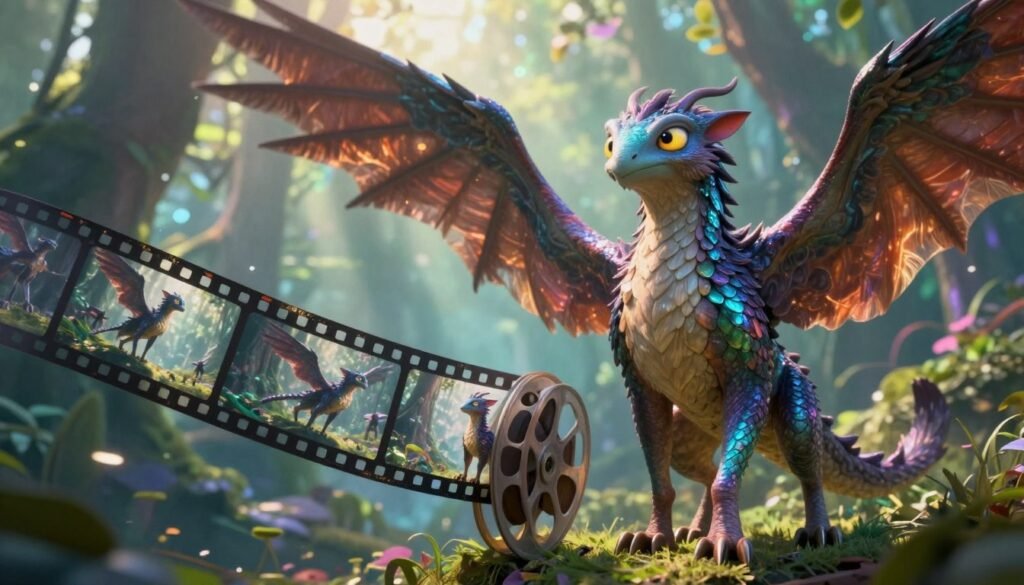
Welcome to the world of creature animation. Here, art and technology come together. We make amazing ideas real, telling stories that grab your attention.
We use animation principles to make our dreams come alive. This way, we create visuals that move you and make you wonder. This guide will show you the basics of creature animation. You’ll learn about motion cycles and rigging, so you can start your journey with confidence.
Key Takeaways
- Creature animation combines art and technology for engaging storytelling.
- Imaginative design plays a critical role in animation.
- Knowing animation principles is key for great visuals.
- Learning motion cycles makes creatures seem real.
- Rigging techniques are vital for flexible characters.
- The right tools and software help in animation.
- Feedback and improvement make animations better.
Introduction to Creature Animation
The world of animation keeps growing, opening new creative paths. In this intro, we look at creature animation’s key ideas. It lets storytellers make amazing beings that add depth to stories.
Thanks to new tech, this art is now easier for everyone to try. It welcomes both experienced animators and new ones to its exciting world.
Exploring storytelling in creature animation shows how these characters share feelings and ideas. They make stories richer for us. Every detail in their design and movement brings them to life.
This art is not just about making characters look good. It’s about making them connect with us. This connection pulls us into the story.
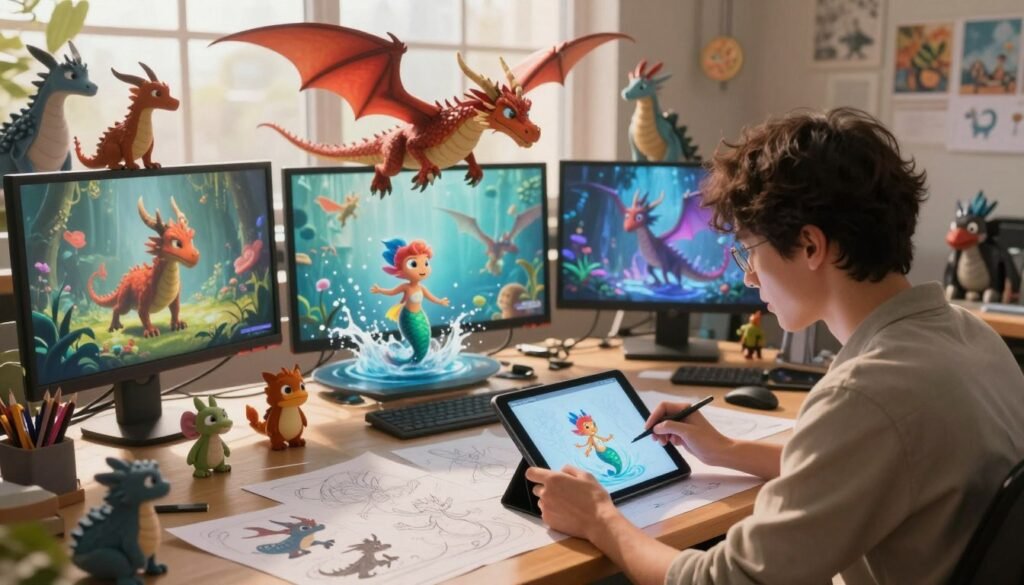
Understanding creature animation shows its importance in many artistic works. From films to video games, it takes us to new worlds. It sparks our imagination and touches our hearts deeply.
The Importance of Animation Principles
Understanding animation principles is key for making creature animations come alive. These basic rules help turn lifeless characters into lively beings. They make actions believable and engaging. By following the twelve principles from legends like Walt Disney, we learn how to make characters move smoothly.
Using squash and stretch makes characters feel real and flexible. Anticipation helps us get ready for what’s coming. Timing makes sure our animations feel right, adding to the story.
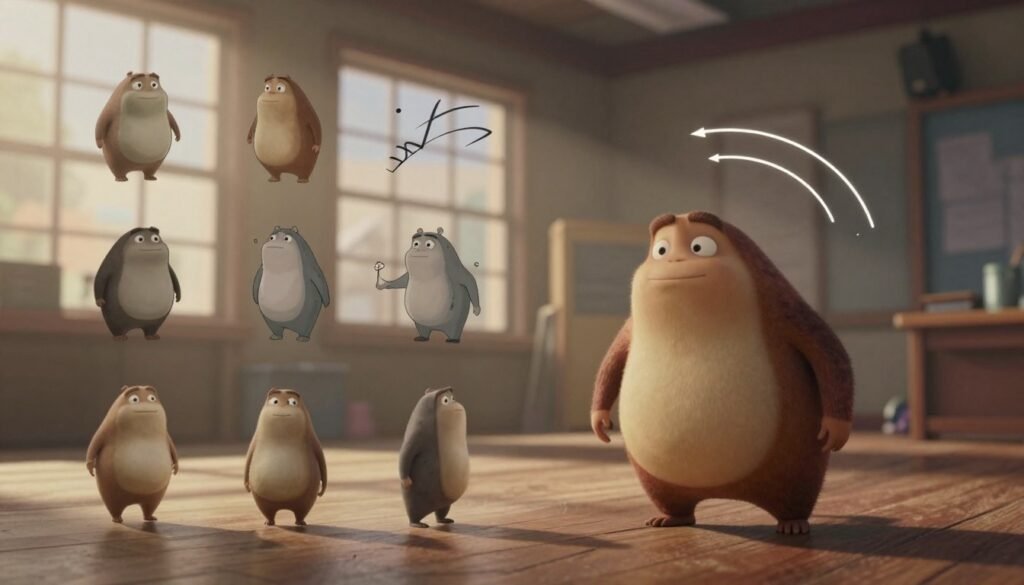
The table below shows the main animation principles and how they affect character motion:
| Animation Principle | Description | Impact on Character Motion |
|---|---|---|
| Squash and Stretch | Creates a sense of weight and volume. | Enhances realism in movement. |
| Anticipation | Prepares the audience for an action. | Increases viewer engagement. |
| Staging | Presents action clearly and effectively. | Focuses attention and clarity. |
| Timing | Controls the pace and rhythm of animation. | Influences emotional response. |
| Exaggeration | Amplifies actions for impact. | Enhances storytelling. |
By learning these animation principles, we can make our animated creatures move well and touch our audience’s hearts. Using these basic ideas is essential for turning creative ideas into engaging animations that feel alive.
Understanding Anatomy for Creature Animation
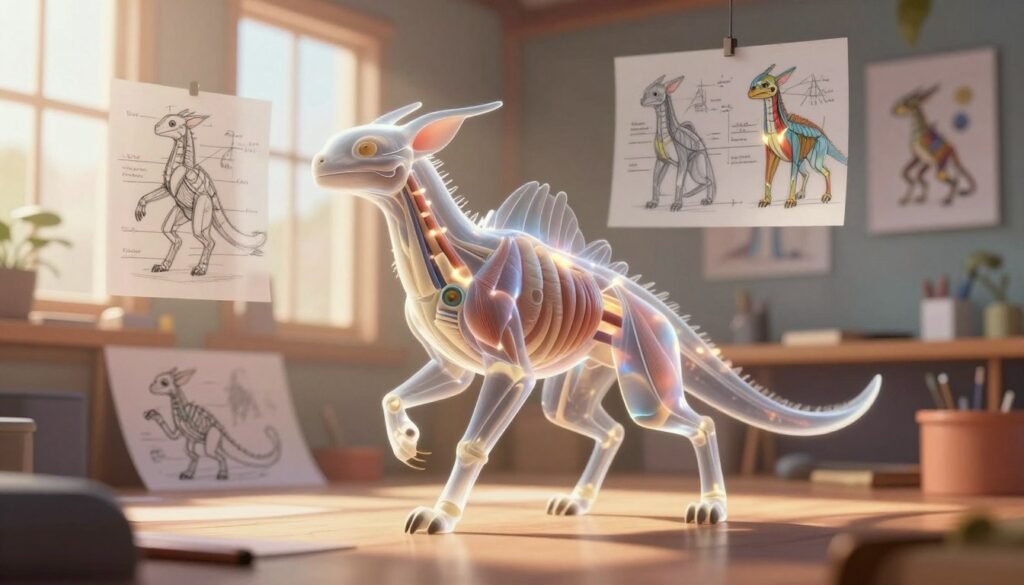
To make animated creatures stand out, knowing anatomy is key. This knowledge helps us create believable characters. By studying human and animal bodies, we add life to our creations.
Studying creature anatomy helps in many ways. It teaches us about structure, proportions, and how things move. Knowing how muscles and joints work lets us create more realistic movements. This makes our characters feel more real and connects with the audience.
Animators can learn a lot from nature. Watching real animals helps us understand their shapes and movements. Using this knowledge, we can make our characters seem real and touch the hearts of viewers.
Motion Cycles: Bringing Movement to Life
Understanding motion cycles is key for making animation look real and fun. These cycles show how creatures move in different places, like running or swimming. By studying these patterns, we learn what makes each action special.
Creating good motion cycles means focusing on three things: weight, speed, and gravity. Each one is important for how actions seem to the viewer. For example, a fast runner moves differently than a slow walker.
Also, using timing and spacing makes these cycles look more real. Watching real animals helps us make our animations feel natural. By trying different motions, we can show different feelings or plans, making the animation more interesting.
| Motion Type | Weight Distribution | Speed | Dynamic Action Example |
|---|---|---|---|
| Running | Forward tilt, increased lift | Fast | Chasing or escaping |
| Walking | Even distribution | Moderate | Exploring or patrolling |
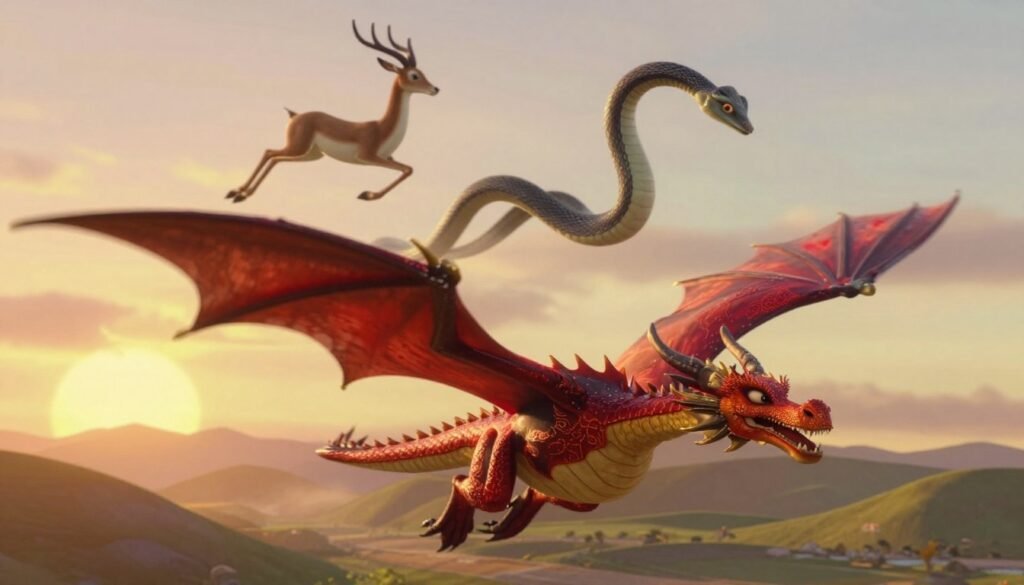
| Flying | Constant lift, minimal contact | Varies with wind | Gliding or soaring |
| Swimming | Fluid motion, horizontal balance | Variable | Diving or surface swimming |
Creature Rigging Essentials
Creature rigging is key in animation, acting as the main support for character movements. It involves making a skeleton that looks like the creature’s body. We work on setting up the character, placing joints and bones, and setting control points.
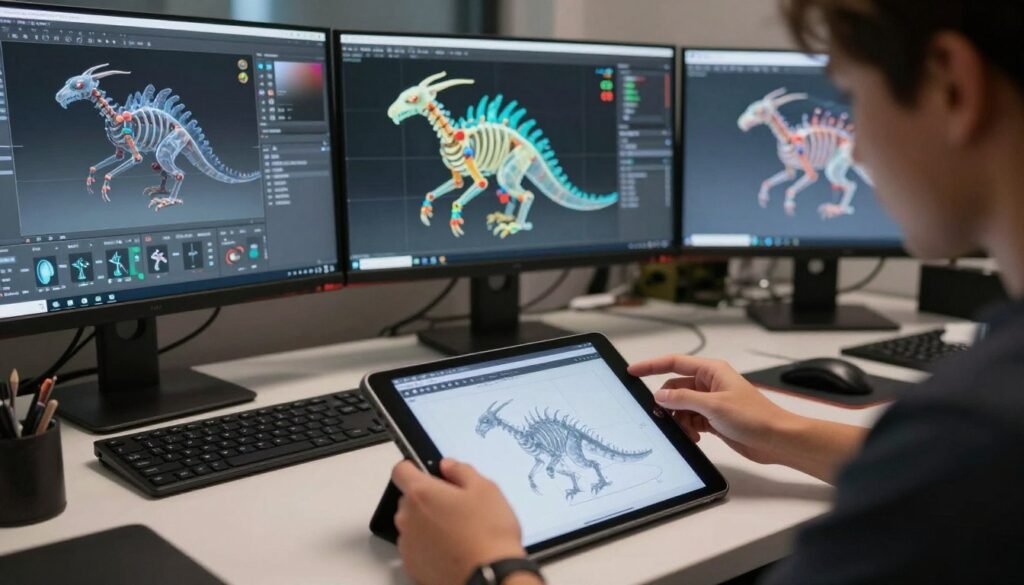
The right rigging makes animations look better and makes the process easier. A good rig lets characters move naturally, making actions and expressions more real. Spending time on character setup helps solve complex animation problems. It makes the creative process more efficient and fun.
Software and Tools for Creature Animation
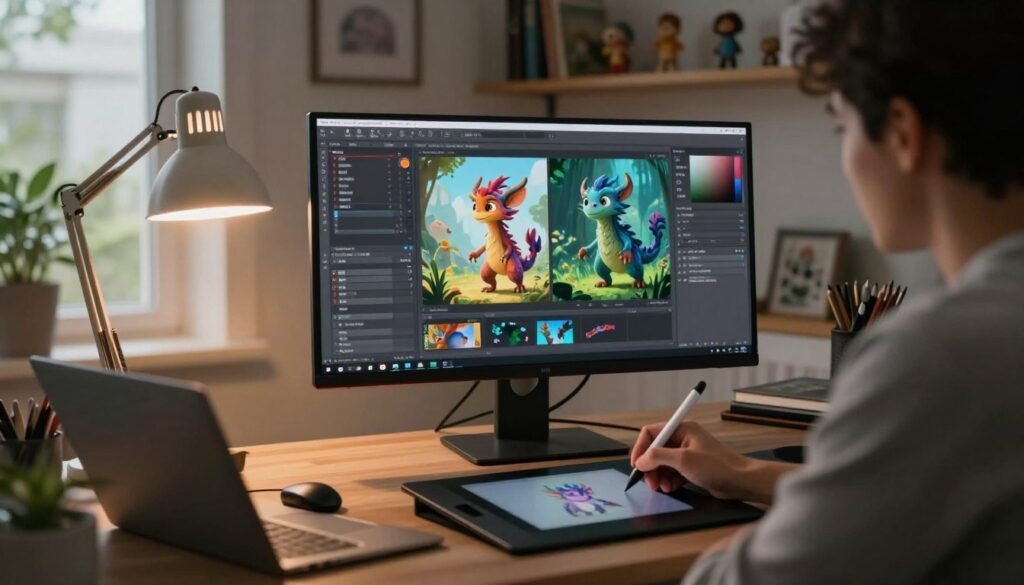
In the world of creature animation, the right tools are key. Autodesk Maya and Blender are leaders, with features for complex characters and scenes. They help animators create movements that touch our hearts.
But there’s more than just traditional software. Unreal Engine lets us make immersive, stunning scenes. It offers real-time rendering and a special toolkit for animators.
For both new and experienced artists, learning these tools is important. They help us make realistic or fantastical creatures. With these tools, we can tell stories through detailed animations.
Creating Realistic Textures and Details
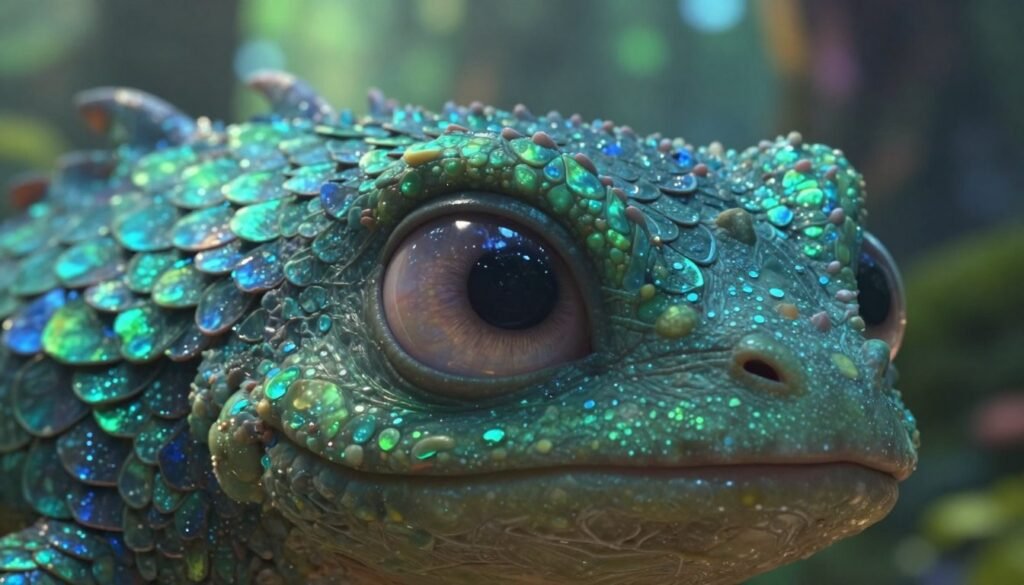
Realistic textures are key to great creature design. They bring animated beings to life and connect with the audience. We use many methods, like painting digital skins or sculpting, to get the best results.
Tools like Autodesk Mudbox or Substance Painter help us add animation details. We can make scales shine or fur feel soft. These textures make creatures feel real and touchable.
Adding the right details is very important. These details tell a story. Scars on a beast or patterns in feathers add to the story. This makes our animations rich and engaging.
| Texture Type | Technique | Software |
|---|---|---|
| Skin | Dissolve, Paint | Photoshop |
| Fur | Particle Systems | Maya |
| Scales | Sculpting, Bump Mapping | ZBrush |
| Feathers | 3D Modeling, Texturing | Blender |
Getting good at realistic textures makes our creature animations better. It helps tell our stories in a way that feels real. By focusing on every detail, we engage our viewers on a deeper level.
Strategies for Character Development
Creating memorable animations starts with developing compelling creature personalities. We need to focus on several key strategies. These will help us define our characters’ motivations, traits, and emotional depth.
Understanding the importance of backstory is key. A good backstory makes your animated creatures feel real and relatable. When characters’ stories touch on real-life experiences, audiences connect more deeply.
Defining core personality traits is another vital strategy. By knowing specific characteristics, we can make creatures that stand out. This makes them memorable and engaging in the story.
Visual cues in design also play a big role. Colors, shapes, and expressions tell us about a creature’s nature. For example, sharp angles might suggest fear, while round shapes could mean friendliness.
Adding emotional arcs to your story can make it richer. As characters grow through their experiences, we connect with them more. For example, a creature facing challenges shows resilience and lets us empathize with their journey.
| Strategy | Description | Impact on Storytelling |
|---|---|---|
| Backstory Development | Crafting a history that informs character decisions | Creates depth and relatability |
| Defining Personality Traits | Identifying key characteristics that dictate behavior | Enhances audience engagement |
| Visual Design Cues | Using colors and shapes to suggest traits | Affects audience perception and intuition |
| Emotional Arcs | Developing characters that grow through challenges | Strengthens emotional connections |
By using these strategies, we can create unique and emotionally resonant creatures. Focusing on their individuality will make our animations memorable. They will leave a lasting impact on viewers.
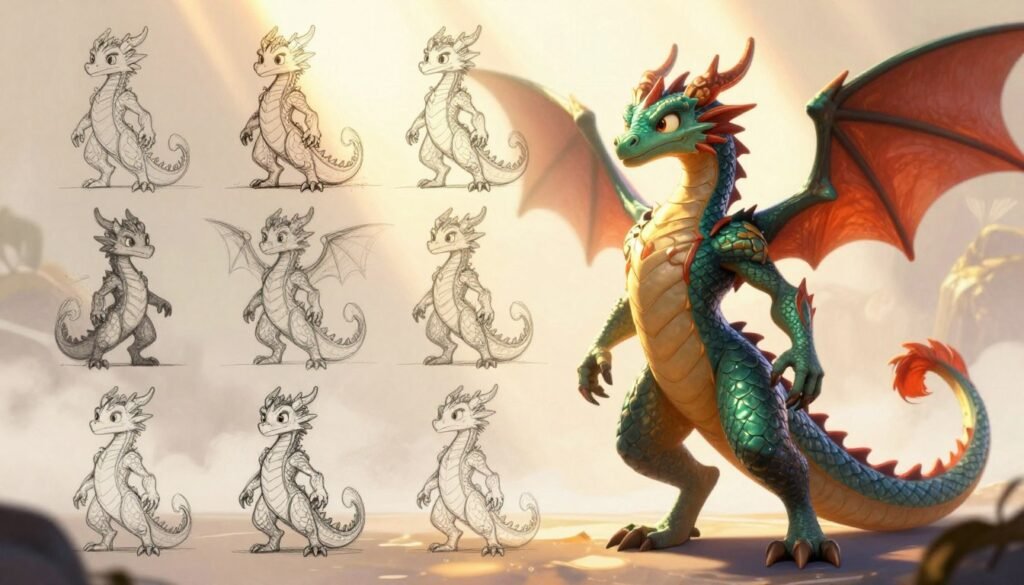
Animation Techniques: Keyframes and Inbetweens
In animation, keyframes and inbetweens are key. Keyframes mark important poses, showing our creature’s personality and movement. They are the base of all other movements.
Inbetweens fill in the gaps between keyframes. They make the animation smooth and natural. Using these techniques, we create engaging and dynamic scenes.
Mastering keyframes and inbetweens is essential for animators. They add structure and emotion to our characters. These techniques help us bring our imagination to life.
Importance of Feedback and Iteration
In creature animation, the journey from start to finish relies on feedback and the iterative process. Getting insights from others sharpens our vision and shows what needs work. Animation review sessions spark teamwork and creativity.
Seeing animation as a process of improvement is key. Each version gets us closer to the best result. Through many revisions, we improve both the technical and emotional sides of our work.
Here’s how to handle feedback well:
- Know what to look at in your animation.
- Get feedback from different people.
- Listen well and take notes on what they say.
- Make changes and check your work again.
Using feedback in a structured way helps us keep getting better. This method is essential for creating memorable creature animations.
| Aspect | Feedback Value | Implementation in Process |
|---|---|---|
| Artistic Clarity | Enhances visual storytelling | Refine character expressions based on reviews |
| Technical Accuracy | Improves realism | Adjust rigging or motion cycles as suggested |
| Emotional Engagement | Strengthens audience connection | Rework scenes based on emotional impact feedback |
Showcasing Your Creature Animation Portfolio
A good animation portfolio is like a visual resume. It shows off our skills and creativity in creature animation. We pick our best work to show our expertise and connect with our audience.
It’s important to include different projects. This shows we can do many things. It gives a full picture of what we can do.
Each piece in our portfolio should tell a story. This makes the viewer feel something. It shows how each animation adds to the story and characters.
To make our portfolio work for different people, we need to:
- Make content for specific areas like gaming, film, or education.
- Show the making of our animations for those who like the technical side.
- Use great visuals and clear explanations to grab and keep attention.
We should always update our portfolio with new work. This keeps it fresh and shows we’re up-to-date. A good portfolio opens doors and shows we’re serious about creature animation.
Marketing Your Creature Animation Skills
Marketing our creature animation skills needs a smart plan. We can boost our visibility by using social media. Sites like Instagram, Twitter, and ArtStation are great for showing off our work and meeting new people.
Being part of the animator community is also important. Going to events, workshops, or webinars helps us make friends. These friends can lead to new projects that make our portfolios better and help us meet more people.
Creating a strong personal brand is key. By highlighting what makes us special and our unique style, we stand out. Telling a clear story about our work grabs attention and shows we’re serious.
Here are some tips to improve our marketing:
- Use social media to share updates and sneak peeks.
- Join online forums and groups to share and learn.
- Work with other artists on different projects.
Having a strong online presence and making connections will help us show off our skills.
Future Trends in Creature Animation
The future of animation looks bright, thanks to new technologies. Virtual reality (VR) and augmented reality (AR) are changing how we make and see animations. They’re making a big impact on creature animation.
Artificial intelligence (AI) is also changing how we work. It helps us do boring tasks so we can focus on being creative. Plus, 3D modeling software is getting better, making creatures look more real than ever.
Keeping up with industry trends is key. Knowing what’s new helps us use new tools and techniques. This makes us better at our jobs and opens up new creative paths.
New ideas like real-time rendering and procedural generation are coming. They promise to bring even more excitement to creature design. Being open to these new ideas will help us succeed in this fast-changing field.
Conclusion
Looking back, we see that creature animation is more than tech; it’s an art that brings our dreams to life. We’ve covered the detailed steps to make animated creatures that touch our hearts. Each part showed us how to understand body shapes and use new software tools.
We want all the new animators out there to use what we’ve shared. These tips are not just rules to follow. They are tools to spark your creativity and skill. The fun of making a character come alive is yours to enjoy, with endless possibilities.
Keep in mind, every problem is a chance to learn and get better. Always try to do better, improve your skills, and let your imagination run wild. The animation world is waiting for your special touch. Keep creating, inspiring, and innovating.