How to Create a Distinctive Sonic Identity for Your Brand
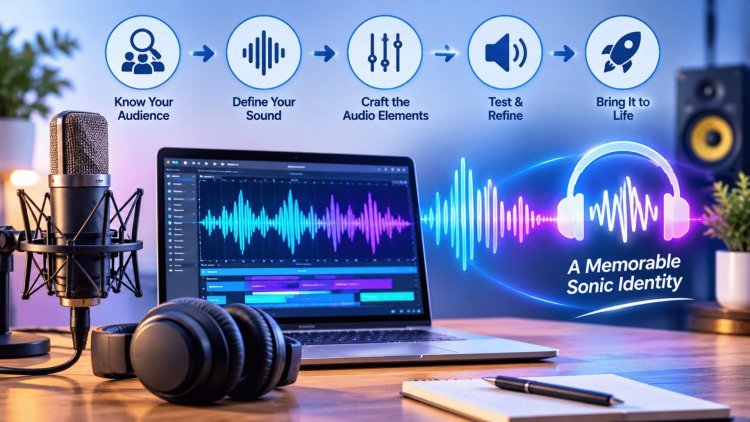
Most brands invest heavily in visual identity — logos, color palettes, typography — yet leave their audio presence entirely to chance. That's a missed opportunity. Sonic identity, also known as audio branding, is the deliberate, strategic use of sound to represent your brand across every touchpoint — from your TV commercial to your app notification, from your hold music to the opening sound of your product. It goes far beyond a catchy jingle. A true sonic identity is a complete musical and acoustic expression of your brand's values, personality, and promise. When done right, it triggers recognition in milliseconds — before a logo is even visible. Think of Intel's five-note chime, or the Netflix "tadum." These are not accidents; they are the product of rigorous creative and strategic work.
Start with Brand Truth — Not Personal Preferences
The most common mistake brands make when developing a sonic identity is starting with what they like rather than what their brand is. A team's collective taste in music is irrelevant if it doesn't align with the brand's core values, mission, and audience expectations.
Sonic identity work must begin at the same foundational level as any great brand strategy: with truth.
Translate Brand Values into Sound Requirements
Before a single note is composed, your brand brief should define the emotional and functional qualities your sound must communicate. Is your brand bold or understated? Warm or precise? Innovative or heritage-driven? Each of these values has sonic equivalents — in tempo, timbre, instrumentation, and dynamics.
Your mission, vision, and audience persona should each inform specific, defensible sound requirements.
For example, a fintech brand targeting millennials might require sound that is "confident but approachable" — which translates into clean, modern tones with a touch of warmth, avoiding both cold sterility and playful whimsy.
Build a Strategy-Backed Brief
The goal is a creative brief that can be defended with strategy — not vibes.
This brief should articulate brand personality traits and their sonic equivalents, audience emotional expectations at each touchpoint, competitive landscape considerations, and functional requirements including durations, formats, and platform constraints.
Brand mission and vision drive every creative decision — not team preferences or passing trends.
Understand what your audience expects to feel at each moment of interaction — then design sound to meet and exceed that expectation.
Every sonic choice should be traceable back to a strategic rationale — not personal taste or instinct alone.
Subjective Opinions
Trend Following
Inconsistent Feedback
Weak Brand Recall
Audience Insights
Strategic Rationale
Consistent Decisions
Strong Brand Recognition
Build a Sound Ecosystem — Not Just a Single Jingle
A sophisticated sonic identity isn't a single piece of music. It's a system — a family of sounds that can flex across contexts, durations, and platforms while remaining unmistakably recognizable. Designing this ecosystem requires thinking at multiple scales simultaneously: from a 3-second UX chime to a 60-second brand anthem.
Sonic Signature
The core audio logo — typically 3–5 seconds — that serves as the brand's most concentrated sonic expression. This is the element that must be most distinctive and most memorable. It anchors the entire system and appears at the most critical brand moments.
Brand Anthem & Music
Longer-form musical expressions — from 15-second ad stings to full 90-second tracks — that expand the sonic signature into an emotional journey. These are used in campaigns, brand films, events, and content. They share DNA with the core signature but breathe and develop.
UX Sound Effects
Functional sounds embedded in products, apps, and service interactions. Notification sounds, loading tones, success chimes, and error alerts. These are often overlooked but are some of the most frequently heard brand sounds — making them critical to get right.
Plan for a "Usable Family" of Sounds
Every element of the sonic system should be derived from the same core DNA — the same melodic motif, harmonic palette, or rhythmic pattern — so that a 2-second notification and a 60-second anthem feel like they come from the same brand world. This scalability is what separates a true sonic identity from a one-off music commission.
Think of it like a typographic system: just as you have display fonts, body fonts, and caption fonts — all from the same family — your sonic system should have signature, theme, and functional tiers, all sharing a coherent aesthetic.
Write the Guidelines — Before You Need Them
Without documented sonic guidelines, brands drift. Each new campaign, agency partner, or internal team makes their own interpretation, and the sonic identity fragments over time. A written sonic framework — specifying tempo ranges, approved instrumentation, emotional territories, and prohibited approaches — ensures consistency even as the brand evolves and collaborators change.
Digiverse Studio helps brands build these frameworks as part of a holistic identity system. Explore the full range of branding services at Digiverse to see how sonic guidelines integrate with visual and verbal identity work.
Launch, Test, and Refine Across Every Touchpoint
A sonic identity only delivers its full value when it is implemented consistently, tested rigorously, and refined continuously across every brand touchpoint. The launch is not the finish line — it is the beginning of an ongoing process of measurement, learning, and evolution.
TV & Broadcast
The highest-reach environment for sonic identity. Ensure the sonic signature appears consistently at key moments — opening, closing, or product reveal. Measure brand recall lift and sonic recognition scores across campaign waves to track effectiveness over time.
Digital & App Experiences
Digital environments offer the highest frequency of sonic touchpoints. App sounds, notification tones, loading sequences, and in-app confirmations can collectively add up to dozens of brand sound moments per day for active users. Each one is an opportunity to reinforce recognition — or erode it through inconsistency.
In-Store & Physical Spaces
Ambient music, service interaction sounds, and in-store announcements all form part of the sonic experience. Many brands invest in elaborate visual store design but neglect the acoustic environment entirely. A defined sonic presence in physical spaces deepens the immersive brand experience and reinforces identity at the point of purchase.
Sonic identity must be tested in the environments where it will actually be heard — compressed in a streaming ad, playing through a phone speaker, echoing in a retail space, or competing with ambient noise.
What sounds perfect in a studio can fall apart in the real world. Conduct contextual testing at every scale, gather qualitative and quantitative feedback, and use that data to refine the system before broad rollout.
Real-world environments are the ultimate testing lab.
The final deliverable of a sonic identity project is not just the music files — it is a written framework that travels with the brand through every agency transition, platform expansion, and creative evolution.
This framework documents the sonic DNA, approved usage rules, platform-specific guidance, and evolution principles that allow the identity to stay recognizable while remaining culturally relevant.
Consistency is created by governance, not memory.
Usage Rules
Platform Guidance
Audio Asset Library
Evolution Principles
Consistent Experience
Long-Term Recognition
Emotional Equity
Cultural Relevance
What's Your Reaction?